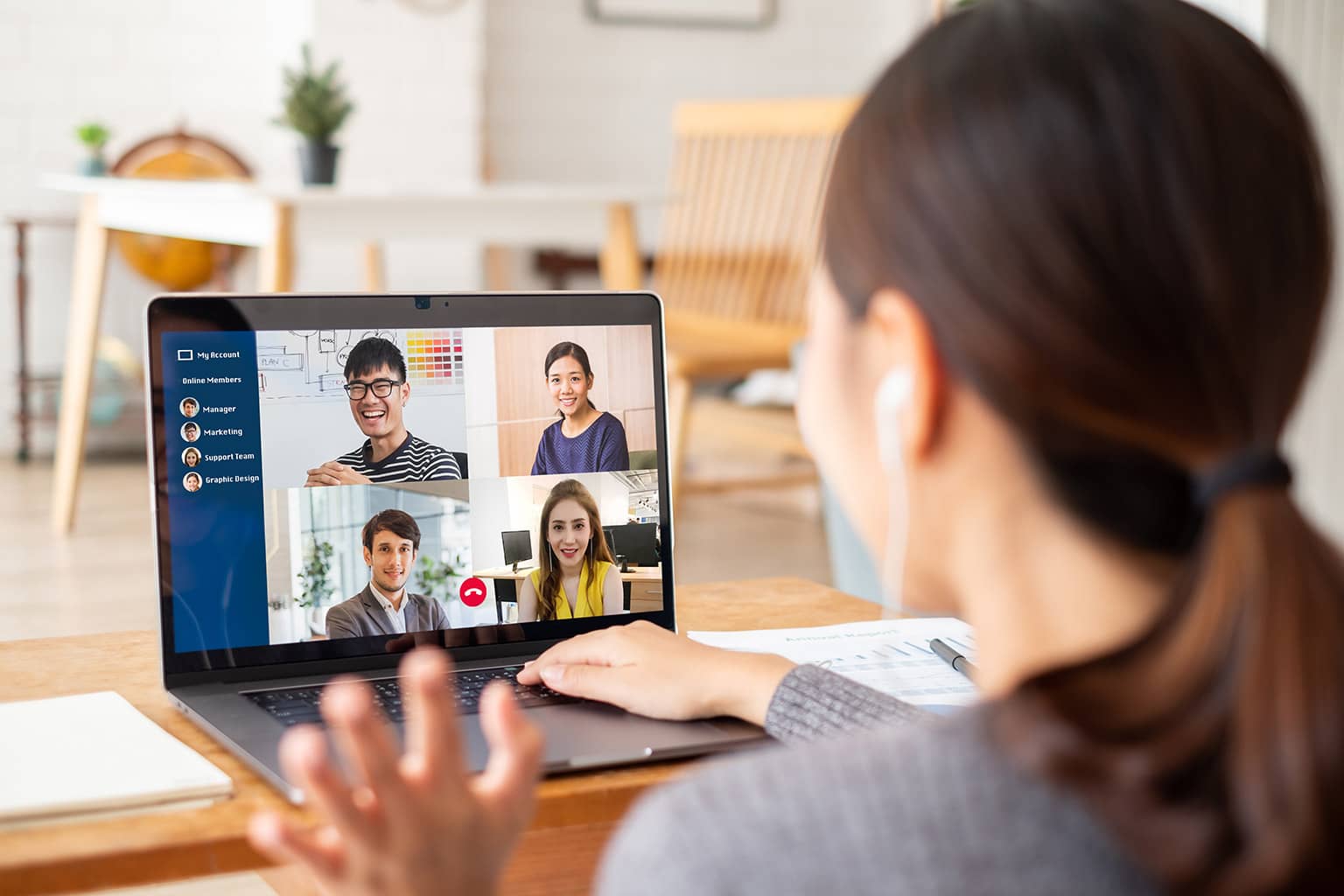
The rapid evolution of the global labor market has positioned the Philippines as a primary destination for digital labor. Yet, the complexities of managing a remote workforce continue to challenge international enterprises. As the gig economy expands, the transition from traditional office-based roles to decentralized, independent contracting has created a regulatory vacuum that many firms struggle to navigate. Utilizing a PEO (Professional Employer Organization) has emerged as the definitive solution for businesses looking to tap into this talent pool without the administrative burden of establishing a local subsidiary. By leveraging PEO services in the Philippines, companies can effectively manage freelancers while ensuring that every aspect of the engagement—from recruitment to terminal benefits—adheres to the stringent standards of the Department of Labor and Employment (DOLE). For organizations aiming to hire freelancers or independent contractors in the Philippines, the PEO model provides a structured framework that mitigates the inherent risks of the borderless workplace, allowing for seamless integration of Filipino talent into global operations.
The Intricate Recruitment and Engagement Process in the Philippines
Engaging talent in the Southeast Asian market requires a granular understanding of local cultural nuances and regulatory frameworks. The recruitment process in the Philippines is multifaceted, involving several stages that ensure both technical competency and cultural alignment. When using a PEO, the process is streamlined to identify high-caliber candidates who can thrive in a remote environment. Understanding how recruitment works in the Philippines is essential for setting realistic expectations regarding timelines and talent availability.
- Sourcing and Talent Acquisition: The first step involves navigating a highly competitive market where multiple global entities often pursue top-tier freelancers. A PEO provider utilizes localized job boards and professional networks to find specialized skills.
- Technical Evaluation and Interviewing: Beyond basic skills, candidates must be vetted for their ability to manage remote tools. This stage often involves multi-level interviews to assess both hard skills and “malasakit” (a Filipino term for deep concern or commitment to the work).
- Timeline Benchmarking: Many foreign firms ask, “How long does recruitment take in the Philippines?” Typically, the process can span three to six weeks, depending on the niche requirements and the candidate’s notice period.
- Salary and Fee Structuring: Navigating salary negotiation requires knowledge of local cost-of-living adjustments and competitive benchmarks. Furthermore, understanding recruitment agency fees in the Philippines is vital for budgeting, as these costs can vary significantly depending on the role’s seniority.
- Formalizing the Engagement: Once a candidate is selected, the PEO firm facilitates contract signing to define the scope of work, ensuring that the transition to outsourcing employment in the Philippines is legally sound and clearly documented.
Mandatory Onboarding and Compliance Requirements for the Filipino Workforce
The administrative landscape of the Philippines is notoriously bureaucratic, demanding a high volume of documentation for every worker engaged. Navigating the onboarding requirements of the Philippines is often the most significant hurdle for foreign businesses. Ensuring compliance among freelancers and contractors in the Philippines is not merely a suggestion; it is a legal imperative that protects the hiring entity from future litigation. A specialized PEO in the Philippines for freelancers manages these requirements, ensuring that every worker is correctly registered and that all social contributions are up to date.
- Social Security System (SSS) Registration: Every worker must register with the SSS to ensure access to disability, retirement, and death benefits. Managing these contributions is a cornerstone of payroll and compliance.
- PhilHealth Enrollment: Health insurance is mandatory, and ensuring workers are enrolled in PhilHealth is critical for their medical security and your company’s recruitment compliance in the Philippines.
- Pag-IBIG Fund (HDMF) Contributions: This mandatory provident fund is used for housing loans and is a standard part of the Filipino compensation package that any best PEO must manage.
- Bureau of Internal Revenue (BIR) Compliance: For those looking to employ staff in the Philippines without a local entity, handling tax compliance and withholding tax is the most complex task. This involves securing a Tax Identification Number (TIN) and filing monthly and annual returns.
- Professional Documentation: Freelancers must often provide a BIR registration certificate or an OTR (Occupational Tax Receipt) to verify their status as legitimate service providers. Managing invoice management for freelancers requires a system that tracks these documents to ensure all payouts are tax-deductible for the parent company.
Navigating the Legal Landscape of Independent Contractor vs. Employee Status
One of the most significant risks in the gig economy sector is the potential for employee misclassification in the Philippines. The Philippine legal system is heavily tilted in favor of labor, meaning that the distinction between an independent contractor and a regular employee is strictly scrutinized. If a worker is found to be an employee under the “four-fold test” (selection, payment of wages, power of dismissal, and power of control), the hiring company could face massive liabilities. Utilizing PEO services in the Philippines helps establish a clear boundary, ensuring labor law compliance while maintaining the flexibility of the gig model.
- The Four-Fold Test Application: Courts look at who controls the “means and methods” of the work. A professional employer organization helps structure contracts that clearly define the independent nature of the relationship.
- Co-Employment Benefits: Through co-employment, the PEO assumes the legal responsibilities of employment, providing a shield for the foreign client against direct labor claims.
- Contract Drafting: Specialized freelancer contracts must be drafted to avoid terms that imply a traditional employer-employee relationship, focusing instead on deliverables and project-based milestones.
- HR Compliance: Continuous monitoring of the relationship is necessary to ensure that the day-to-day management of the worker doesn’t inadvertently trigger “regularization” under the Labor Code.
- Dispute Resolution: In the event of a disagreement, having a local PEO company enables mediation in line with local customs and legal precedents, often avoiding the costly National Labor Relations Commission (NLRC) process.
The Administrative Burden of Payroll and Benefits Administration
Managing freelancer payroll is a logistical marathon that requires constant attention to detail. For a single person or a small HR team located overseas, the sheer volume of tasks involved in payroll for freelancers and contractors can be overwhelming. This is where the complexity truly peaks; it is not just about sending a wire transfer. It involves calculating local taxes, managing government contributions, and ensuring that time tracking aligns with the agreed-upon rates. The process is so intricate and error-prone that it becomes too much for a single individual to handle effectively without specialized support.
- Monthly Contribution Remittance: Employers must calculate and remit contributions to SSS, PhilHealth, and Pag-IBIG each month. Missing a single deadline can result in heavy penalties and legal scrutiny.
- Tax Withholding and Filing: Calculating the correct withholding tax requires staying up to date on the latest TRAIN Law and CREATE Act provisions. This is a primary function of PEO solutions in the Philippines.
- Benefits Administration: Beyond the mandatory contributions, many top-tier freelancers expect 13th-month pay (though not legally required for contractors, it is a cultural staple) and health HMOs. Managing these perks requires a local presence.
- Out Task’s Expertise: Because this process is so complicated and involves constant communication with various Philippine government agencies, it is vital to seek professional intervention. Out Task is a trusted provider of these services, acting as the premier PEO in the Philippines to handle the heavy lifting of HR and payroll.
- Centralized HR Solutions: Using a dedicated partner like Out Task ensures that all payroll and HR functions are integrated into a single platform, eliminating the need for the client to interact with the BIR or SSS directly.
Strategic Workforce Management and Scaling in the Philippines
Once the compliance and payroll foundations are laid, the focus shifts to workforce management and long-term scaling. To truly succeed in the freelancers market, a company must move beyond transactional hiring and toward strategic remote workforce management. This involves creating a culture of inclusion for remote workers and ensuring they have the tools and support needed to remain productive. A PEO partner acts as the “boots on the ground,” providing the infrastructure necessary for a sustainable international operation.
- Performance Monitoring: Implementing time tracking and productivity metrics that respect local work styles while meeting international standards.
- Cultural Integration: A PEO provider helps bridge the gap between Western corporate culture and Filipino values, such as “Hiya” (shame/propriety) and “Pakikisama” (harmony).
- Scaling Operations: When it is time to hire employees in the Philippines without entities at scale, the PEO model allows for rapid expansion without the 6-12 month lead time required to set up a local corporation.
- Cost Management: Understanding PEO costs in the Philippines enables transparent budgeting. Generally, the price of a PEO is a fraction of the cost of legal fees resulting from a single compliance error.
- Advanced HR Solutions: From onboarding to offboarding, a comprehensive HR outsourcing strategy ensures that the entire lifecycle of the freelancer is managed professionally, protecting the brand’s reputation in the local market.
Wrapping Up
The decision to hire Filipino talent is a strategic move that can provide a significant competitive advantage in terms of cost and quality of work. However, as demonstrated, the path to successful engagement is paved with regulatory hurdles, complex tax codes, and the constant risk of legal misclassification. A PEO in the Philippines is no longer just an administrative luxury; it is a strategic necessity for any business that values compliance and operational efficiency. By outsourcing the complexities of freelancer payroll and onboarding to experts, companies can focus on their core mission while their Filipino team thrives in a secure, compliant environment. As the Philippines continues to solidify its role as a global hub for the gig economy, the partnership between international firms and local PEO providers will remain the “secret sauce” for sustainable remote work success.
Is Assistance Available?
Yes, Out Task can help you navigate these complex requirements and ensure your business remains fully compliant with Philippine laws. Our team provides comprehensive support to streamline your hiring and payroll processes, allowing you to focus on growth without the administrative headache. Reach out today to schedule an initial consultation with one of our experts.
- Contact Us Here
- Fill Out the Form Below
- Send an email to: info@outtask.ph