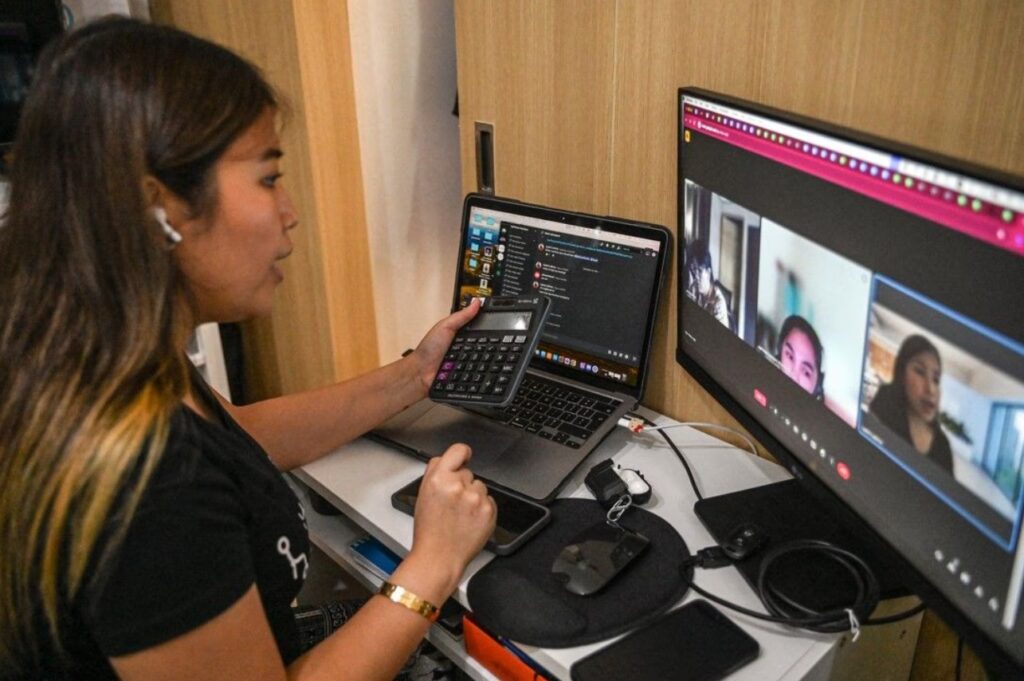
In an era where global businesses increasingly seek to tap into emerging markets, EOR services have become indispensable for companies aiming to expand into the Philippines without the burdens of establishing a local entity. These services, known as employer of record in the Philippines, allow foreign firms to hire employees compliantly while outsourcing employment solutions that handle payroll, HR compliance, and regulatory adherence amid the country’s complex labor landscape. With the Philippine economy growing at over 6 percent annually as of 2025, driven by sectors such as business process outsourcing and technology, EOR Philippines service providers mitigate the risks associated with Philippine labor law compliance, enabling seamless employee management services for both remote workers and onsite staff alike.
Understanding EOR Services: Definition and Overview
Employer of record services, also known as EOR services, act as a third-party entity that assumes the legal responsibilities of employing workers on behalf of a client company. In the Philippine context, this means handling everything from employment contracts to tax withholdings, ensuring complete alignment with local regulations set by the Department of Labor and Employment. For foreign companies in the Philippines, EOR providers act as the official employer, shielding clients from direct liability while allowing them to focus on core operations. This model has gained traction amid rising demand for global employment solutions, particularly in a nation where workforce management involves navigating a web of statutory benefits and compliance mandates.
- Core Functions: EOR services manage recruitment, onboarding, and termination processes, incorporating elements like staff leasing in the Philippines to provide flexible hiring options.
- Legal Framework: Under Philippine employment regulations, EORs ensure adherence to the Labor Code, which mandates minimum wages, overtime pay, and social security contributions.
- Global vs. Local: For international firms, EOR Philippines bridges the gap by offering expertise in work permits in the Philippines and visa applications for expatriates.
- Evolution: Since the pandemic, employment outsourcing in the Philippines has surged, with EORs adapting to hybrid work models and digital payroll systems.
- Industry Applications: Sectors such as IT and finance benefit the most, as hiring remote workers in the Philippines requires swift and compliant setups.
This overview highlights how EOR services facilitate entry into the Philippine market, thereby reducing administrative hurdles that could otherwise deter investment. By outsourcing these tasks, businesses avoid the pitfalls of misinterpreting local laws, such as those governing employee benefits and dispute resolutions. The model’s efficiency stems from its ability to integrate HR outsourcing in the Philippines with payroll outsourcing, creating a cohesive system that supports scalable growth. As more companies recognize these advantages, EOR adoption continues to rise, reflecting a shift toward specialized employment solutions in dynamic economies.
Benefits of Employing EOR Services in the Philippines
The adoption of EOR services in the Philippines offers multifaceted advantages, particularly for foreign entities navigating a regulatory environment shaped by evolving labor policies. These services not only ensure compliance with Philippine labor law but also provide cost-effective pathways for workforce expansion, allowing companies to hire employees in the Philippines without the overhead of establishing subsidiaries. Amid economic pressures, such as inflation impacting operational costs, EOR Philippines enables firms to access a talented pool of English-speaking professionals while mitigating risks associated with non-compliance penalties.
- Cost Efficiency: By handling payroll outsourcing in the Philippines, EORs reduce expenses related to in-house HR teams, often saving up to 50 percent on administrative costs.
- Compliance Assurance: EORs manage intricate requirements, such as SSS, PhilHealth, and Pag-IBIG contributions, thereby preventing fines that can reach PHP 100,000 per violation.
- Speed to Market: Foreign companies can onboard staff within weeks, bypassing the lengthy process of entity registration with the Securities and Exchange Commission.
- Flexibility in Hiring: Supports hiring remote workers in the Philippines, making it an ideal option for global teams that require diverse skill sets in areas such as customer service and software development.
- Risk Mitigation: Shields clients from employment disputes, as the EOR assumes liability for issues like wrongful termination under the Labor Code.
These benefits extend to enhanced employee satisfaction through timely benefits administration, fostering retention in a competitive job market. For instance, EORs facilitate seamless employee onboarding in the Philippines, including orientation on local customs and rights. In a landscape where the Philippine workforce management demands vigilance against regulatory changes—like recent updates to minimum wage laws—EOR services provide stability. Ultimately, they empower businesses to scale operations confidently, transforming potential challenges into strategic opportunities for growth.
Key Requirements for Employment Compliance in the Philippines
Compliance with Philippine employment regulations demands a thorough understanding of multifaceted requirements that can overwhelm even seasoned HR professionals. For foreign companies hiring in the Philippines, these stipulations include securing work permits, adhering to tax codes, and fulfilling social welfare obligations, all under the oversight of government agencies such as the Bureau of Internal Revenue and the Department of Labor and Employment. The sheer volume of documentation and periodic reporting makes this a daunting task for individuals, often requiring specialized knowledge to avoid costly errors.
- Work Permits and Visas: Non-resident aliens must obtain an Alien Employment Permit from DOLE, involving proof of job uniqueness and employer sponsorship, a process that can take months.
- Employment Contracts: Contracts must detail wages, hours, and benefits in line with the Labor Code, including provisions for 13th-month pay and holiday premiums.
- Social Security Registrations: Mandatory enrollment in SSS, PhilHealth, and Pag-IBIG, with employers contributing percentages of salaries and filing quarterly reports.
- Tax Compliance: Withholding income taxes at progressive rates up to 35 percent, plus annual filings that require accurate record-keeping.
- Health and Safety Standards: Compliance with Occupational Safety and Health laws necessitates workplace inspections and training programs.
Navigating these requirements independently involves constant monitoring of amendments, such as recent DOLE orders on foreign worker permits, which add layers of complexity to the process. Missteps can lead to audits or shutdowns, underscoring the importance of employing experts for employment compliance in the Philippines. The administrative burden—filing forms, coordinating with multiple bureaus, and ensuring timely payments—proves exhaustive, often diverting resources from business priorities.
The Intricate Process of Hiring and Managing Employees in the Philippines
The process of hiring and managing employees in the Philippines involves a complex set of steps that require precision and persistence, making it particularly challenging for those without local expertise. From initial recruitment to ongoing management, each phase intersects with stringent Philippine labor law compliance, necessitating coordination across government bodies and adherence to timelines that can strain resources. For foreign companies, this complexity amplifies, as cultural nuances and regulatory updates further complicate operations.
- Recruitment Phase: Sourcing candidates involves advertising positions in compliance with DOLE rules, conducting interviews, and verifying qualifications, which often require third-party validations.
- Onboarding Procedures: Drafting contracts, registering employees with social agencies, and conducting mandatory orientations on rights and safety protocols.
- Payroll Management: Calculating wages with overtime, deductions, and bonuses, then processing through payroll outsourcing in the Philippines to ensure accuracy.
- Ongoing Compliance: Regular audits for benefit payments, handling leave requests per the Labor Code, and managing performance reviews with legal safeguards.
- Termination Protocols: Providing notice periods, severance pay, and final settlements, all documented to prevent disputes.
This exhaustive process, rife with potential pitfalls like delayed permit approvals or miscalculated taxes, illustrates why solo navigation is impractical. It requires dedicated time for paperwork, legal consultations, and system integrations, often leading to inefficiencies. In a fast-paced market, such demands can hinder growth, highlighting the value of streamlined alternatives.
Why Professional Assistance is Vital for EOR Implementation
Implementing EOR services effectively in the Philippines hinges on professional assistance, given the intricate web of regulations that govern employment. The complexity of aligning with Philippine workforce management standards—from tax filings to dispute resolutions—makes independent handling a high-risk endeavor prone to errors and penalties. This is where trusted providers like Out Task excel, offering comprehensive end-to-end support that streamlines global employment solutions for clients.
- Expert Navigation: Professionals handle nuanced aspects, such as EOR vs. PEO in the Philippines, advising on the best fit based on business scale and scope.
- Customized Strategies: Tailoring HR outsourcing in the Philippines to specific needs, ensuring seamless integration with existing operations.
- Risk Reduction: Mitigating exposure to non-compliance fines by staying abreast of DOLE updates and BIR requirements.
- Efficiency Gains: Accelerating employee onboarding in the Philippines, reducing setup time from months to weeks.
- Scalability Support: Enabling flexible staff leasing in the Philippines for seasonal or project-based needs.
The process is inherently complicated, involving layers of documentation, cultural adaptations, and legal interpretations that demand specialized expertise. Seeking Out Task’s help is essential, as their proven track record as a trusted provider ensures compliant, hassle-free expansions, allowing businesses to focus on innovation rather than bureaucracy.
Comparing EOR and PEO Options in the Philippine Market
In the Philippine market, distinguishing between EOR and PEO options is vital for businesses seeking optimal outsourcing employment solutions. While both facilitate HR compliance in the Philippines, EOR assumes full legal employer status, handling all liabilities. In contrast, PEO operates on a co-employment model, requiring the client to maintain some level of control and establish a local entity.
- Legal Responsibilities: The EOR bears all employment risks, including terminations, while the PEO shares them, potentially exposing clients to disputes.
- Set-up Requirements: An EOR allows entry without a subsidiary, whereas a PEO necessitates one, which increases initial costs and timelines.
- Cost Structures: EOR often involves flat fees per employee, while PEO may include variable charges based on services such as payroll outsourcing.
- Flexibility: EOR suits short-term or remote hires; PEO fits long-term, integrated teams.
- Compliance Focus: Both ensure adherence to Philippine employment regulations, but EOR excels in global scenarios with work permits.
This comparison highlights EOR’s advantage for rapid market entry, particularly for foreign companies in the Philippines seeking to hire remote workers efficiently. PEO, however, offers deeper HR integration for established operations. Choosing depends on strategic goals, with EOR gaining popularity amid digital transformations.
Final Insights
As the Philippine economy continues to attract international investment, EOR services serve as a cornerstone for navigating the nation’s labor laws, providing a pathway to a compliant and efficient workforce expansion. By addressing challenges in employment compliance, payroll management, and regulatory adherence, these services enable businesses to leverage the country’s skilled talent pool without undue administrative burden. Whether through EOR or PEO models, the emphasis remains on leveraging professional expertise to mitigate complexities inherent in Philippine workforce management.
In reflecting on the requirements, processes, and comparative options discussed, it becomes clear that strategic outsourcing not only enhances operational agility but also fosters sustainable growth in a competitive landscape. For companies contemplating entry or expansion, prioritizing compliant solutions like EOR ensures long-term success amid evolving regulations.
Is Assistance Available?
Yes, Out Task stands ready as a trusted provider to guide your EOR journey in the Philippines. With our comprehensive expertise, we simplify the intricate processes, ensuring your business achieves seamless compliance and operational excellence. Reach out today to schedule an initial consultation with one of our experts.
- Contact Us Here
- Fill Out the Form Below
- Send an email to: info@outtask.ph