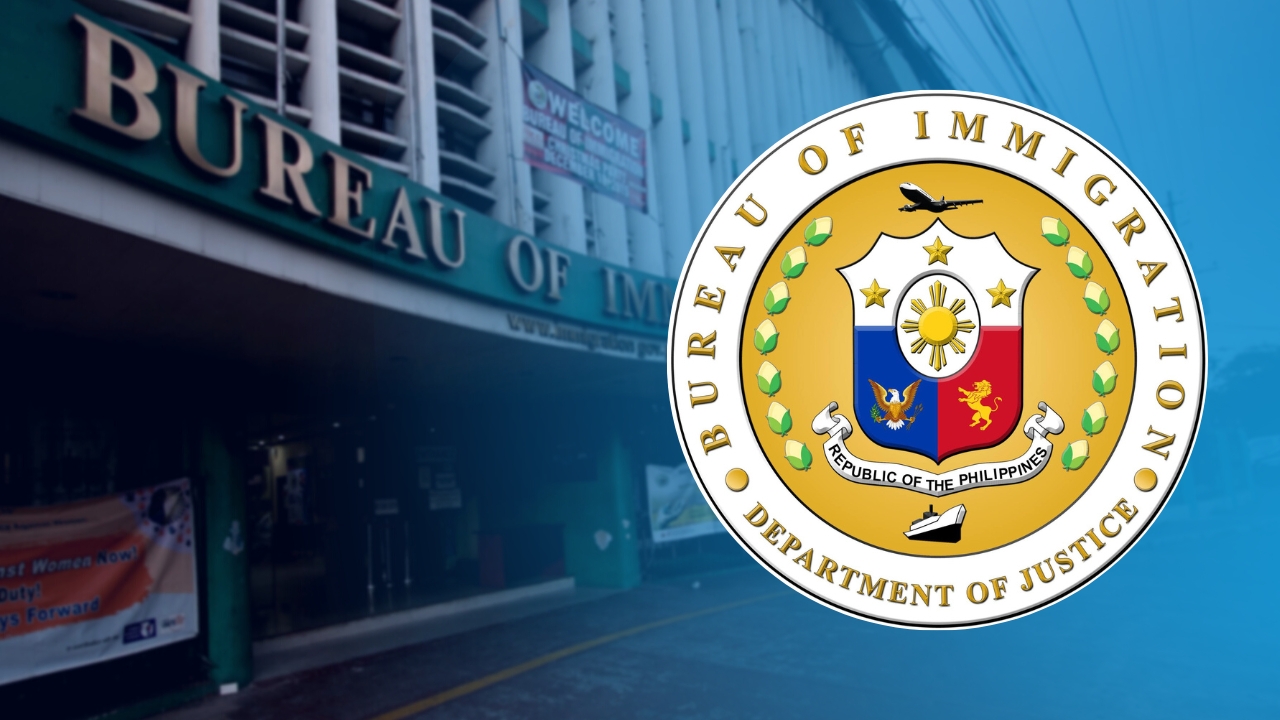
The global labor market is currently witnessing a paradigm shift as the traditional boundaries of the office dissolve into the ether of digital connectivity, prompting the Philippine government to modernize its immigration and labor frameworks to accommodate the burgeoning demand for a dedicated remote work visa. For international firms looking to hire remote employees in the Philippines, the landscape is a complex tapestry of legislative updates, such as the Telecommuting Act RA 11165, and bureaucratic hurdles that require a sophisticated understanding of local mandates. As the archipelago positions itself as a premier destination for digital nomads and distributed teams, the introduction of a Philippines remote work visa represents both an opportunity for talent acquisition and a significant compliance challenge for foreign entities lacking a local presence.
Navigating the intersection of global hiring in the Philippines and the specificities of the Bureau of Internal Revenue (BIR) or the Department of Labor and Employment (DOLE) necessitates more than just a passing familiarity with local customs; it demands a rigorous adherence to the statutory benefits of the Philippines and the nuances of the recruitment process in the Philippines. Consequently, international employers are increasingly turning to a global EOR Philippines to bridge the gap between their corporate goals and the rigid onboarding requirements for remote employees in the Philippines, ensuring that their expansion into this vibrant market remains legally sound and operationally efficient.
Understanding the Remote Work Visa Requirements in the Philippines
The pursuit of a remote work visa in the Philippines is not a mere administrative formality but a rigorous vetting process designed to ensure that the influx of foreign talent aligns with national economic interests and labor security. International employers must recognize that the Philippines’ digital nomad visa requirements are multifaceted, involving a convergence of financial, legal, and professional documentation that can be overwhelming for those unfamiliar with the Philippine Bureau of Immigration’s stringent standards. To successfully employ staff in the Philippines without a local entity through these specialized visas, one must prepare for a high level of scrutiny regarding the nature of the remote work being performed.
- Proof of Remote Employment and Financial Solvency: Applicants must provide notarized contracts or letters of appointment from their foreign employers, demonstrating that their income is derived entirely from outside the Philippine economy. This is a critical component of the digital nomad visa eligibility in the Philippines, as the government seeks to ensure that remote workers do not displace local talent while contributing to the local economy through consumer spending.
- Comprehensive Health Insurance Coverage: A mandatory requirement for the visa for remote workers in the Philippines is proof of health insurance that is valid within the country. This must cover emergency medical expenses and potential hospitalization, reflecting the state’s policy of ensuring that foreign nationals do not become a burden on the public healthcare system.
- Clean Criminal Record and Security Clearances: Prospective visa holders must undergo a thorough background check, which may require an NBI clearance or its equivalent from their home country. This ensures that the Philippines’ remote work visa is granted only to individuals who pose no threat to national security or public order.
- Valid Passport and Documentation Validity: The remote worker visa in the Philippines requires a passport with at least six months of validity beyond the intended stay. Furthermore, all supporting documents must be appropriately apostilled or authenticated, adding a layer of international legal complexity to the submission.
- Minimum Income Thresholds: While the specific digital nomad visa Philippines cost and income requirements are subject to periodic updates, applicants generally must demonstrate a consistent monthly income that meets the government’s self-sufficiency threshold for the local market.
The Complex Remote Work Visa Application Process
Navigating the remote work visa application in the Philippines involves a labyrinthine series of steps that can test the patience of even the most organized international HR department. The journey from initial inquiry to visa issuance is fraught with potential delays, varying interpretations of the law, and the need to visit multiple government offices. Understanding how recruitment works in the Philippines and how long it takes is only half the battle; the secondary challenge lies in the actual processing time for these specialized permits, which often exceeds initial expectations.
- Initial Consultation and Document Preparation: The process begins by identifying the correct visa category, whether it is a work visa or a digital nomad visa in the Philippines. Employers must assist their staff in gathering authenticated documents, a phase that can take weeks depending on the applicant’s country of origin.
- Filing with the Bureau of Immigration (BI): The actual digital nomad visa application must be filed with the BI, where a series of evaluations takes place. This step often requires the expertise of legal counsel or a local EOR provider in the Philippines to ensure the petition is phrased in accordance with current immigration circulars.
- Payment of Fees and Administrative Levies: The digital nomad visa in the Philippines costs more than just the application fee; it includes various administrative levies, legal research fees, and express processing charges. Missing a single payment can result in immediate rejection or shelving of the application.
- The Waiting Period and Adjudication: The digital nomad visa processing time in the Philippines can vary significantly depending on application volume and the complexity of the applicant’s background. During this period, the applicant may be required to attend an interview or provide additional clarifying information to the BI.
- Final Approval and Issuance of the ACR I-Card: Upon approval, the remote worker is issued an Alien Certificate of Registration (ACR) I-Card, which serves as their official identification and re-entry permit. This final step is essential for maintaining the legal status of those who wish to work from anywhere in the Philippines.
Navigating International Employer Compliance and Labor Laws
For the international employer, Philippine compliance is a moving target that requires constant vigilance, especially when dealing with the intricacies of the Philippine labor code. Hiring foreign nationals in the Philippines or even local remote talent involves a deep dive into the Telecommuting Act RA 11165, which provides the legal framework for remote work arrangements. Failure to adhere to these standards can result in significant legal liabilities, as the Philippine legal system is notoriously protective of employee rights, even in a remote setting.
- Adherence to the Telecommuting Act RA 11165: This law mandates that remote workers must be treated no differently than their office-based counterparts in terms of pay, benefits, and working conditions. Employers must ensure their contracts are compliant with this act to avoid claims of discrimination or unfair labor practices.
- Managing Contractor vs Employee Status in the Philippines: A common pitfall for foreign companies is misclassifying workers. Distinguishing between a contractor and an employee in the Philippines is vital, as the latter is entitled to a suite of statutory benefits that the former is not, and the BIR is increasingly vigilant about tax evasion through misclassification.
- Statutory Benefits in the Philippines and Social Security: Every employee in the Philippines, whether remote or otherwise, is required to contribute to the Social Security System (SSS), PhilHealth, and Pag-IBIG. Managing the payroll for foreign companies in the Philippines requires a local presence to handle monthly remittances and reporting.
- BIR Tax Compliance: The Bureau of Internal Revenue requires meticulous record-keeping and the withholding of taxes at the source. For a foreign company to hire remote employees in the Philippines, it must navigate the complex tax treaty landscape to avoid double taxation while ensuring compliance with local tax obligations.
- 13th Month Pay and Holiday Pay: Philippine law mandates 13th-month pay for all employees, as well as specific premiums for working on holidays. International employers must factor these into their salary negotiation and Philippines hiring strategies to ensure they remain competitive and compliant.
Onboarding Requirements Philippines: SSS, PhilHealth, Pag-IBIG, and BIR
The onboarding requirements in the Philippines (SSS, PhilHealth, Pag-IBIG, BIR) represent the most significant operational hurdle for companies attempting to hire employees in the Philippines without an entity. Each of these agencies operates under its own set of rules, and the registration process for a foreign employer can be an administrative nightmare. To employ staff in the Philippines without a local entity, one must interact with these government bodies through a surrogate, as the digital infrastructure for direct foreign registration is still in its infancy.
- Social Security System (SSS) Registration: The SSS provides a safety net for workers, covering disability, retirement, and death benefits. Registering a remote worker requires submitting various forms and proof of employment, a process often delayed by bureaucratic bottlenecks.
- PhilHealth Enrollment: Universal health care is a priority in the Philippines, and PhilHealth is the primary vehicle for this. Employers must ensure their remote staff are correctly enrolled and that premiums are paid on time to avoid penalties.
- Pag-IBIG Fund Contributions: Also known as the Home Development Mutual Fund, Pag-IBIG is mandatory for all employees. It provides housing loans and savings programs, and the employer’s failure to contribute may result in legal action by the fund’s administrators.
- BIR Employee Registration and TIN Issuance: Every worker must have a Tax Identification Number (TIN). The process of getting a TIN for a new employee and linking it to a foreign employer is a complex dance of paperwork and physical visits to the local Revenue District Office (RDO).
- Compliance with Recruitment Agency Fees in the Philippines: If an employer uses a third party to find talent, they must be aware of the recruitment agency fees in the Philippines and ensure that no illegal fees are passed on to the employee, which is strictly prohibited under recruitment compliance in the Philippines.
Why Navigating Philippines Compliance is a Strategic Hurdle
The reality of the remote work visa and global hiring in the Philippines is that the process is far too complex for an international business to handle in isolation. From the nuances of the 9G visa Philippines requirements to the specific demands of an alien employment permit, AEP Philippines, the sheer volume of “red tape” can stall business operations for months. Each step, whether it is the recruitment process in the Philippines or the ongoing Philippines EOR payroll and compliance, involves interacting with multiple government agencies that do not always communicate with one another. Attempting to manage this without a local partner often leads to costly errors, missed deadlines, and potential blocklisting by the Bureau of Immigration.
This is where the expertise of a professional EOR company in the Philippines becomes indispensable. Relying on an employer of record in the Philippines allows your business to outsource employment there to experts who understand the local landscape intimately. Out Task is a trusted provider of this service, offering comprehensive EOR solutions in the Philippines that take the burden of compliance off your shoulders. The complexity of local labor laws and the volatility of visa regulations make it essential to have a partner who can provide EOR services in the Philippines with precision and reliability. By using Out Task, you ensure your Philippines payroll for foreign companies is handled correctly and that your staff is onboarded with all necessary statutory benefits. The risks of non-compliance are too high to navigate alone, making Out Task’s intervention the most strategic move for any international employer.
Wrapping Up
The introduction of the remote work visa and the refinement of the Philippines’ digital nomad visa mark a new era for international business in Southeast Asia. However, as we have explored, the path to successful integration is paved with complex regulatory requirements, from the initial digital nomad visa Philippines application to the long-term management of BIR tax compliance Philippines. International employers must move beyond a “one-size-fits-all” approach to global hiring and instead embrace the localized expertise required to thrive in the Philippine market. Whether it is understanding salary negotiation in the Philippines, hiring, or the specificities of the Telecommuting Act, the key to success lies in meticulous planning and professional partnership.
As the Philippines continues to evolve its digital infrastructure and legal frameworks, the opportunities for hiring remote employees will only grow. Companies that proactively address the challenges of EOR Philippines and recruitment compliance Philippines will find themselves at a significant advantage, securing the best talent while maintaining a flawless legal record. The journey is undoubtedly complex, but with the proper guidance and a commitment to local standards, the Philippines can become the cornerstone of your global remote workforce.
Is Assistance Available?
Yes, Out Task can help. We provide expert guidance and comprehensive services to manage the entire process, ensuring your business remains compliant and successful in the Philippines. Reach out today to schedule an initial consultation with one of our experts.
- Contact Us Here
- Fill Out the Form Below
- Send an email to: info@outtask.ph