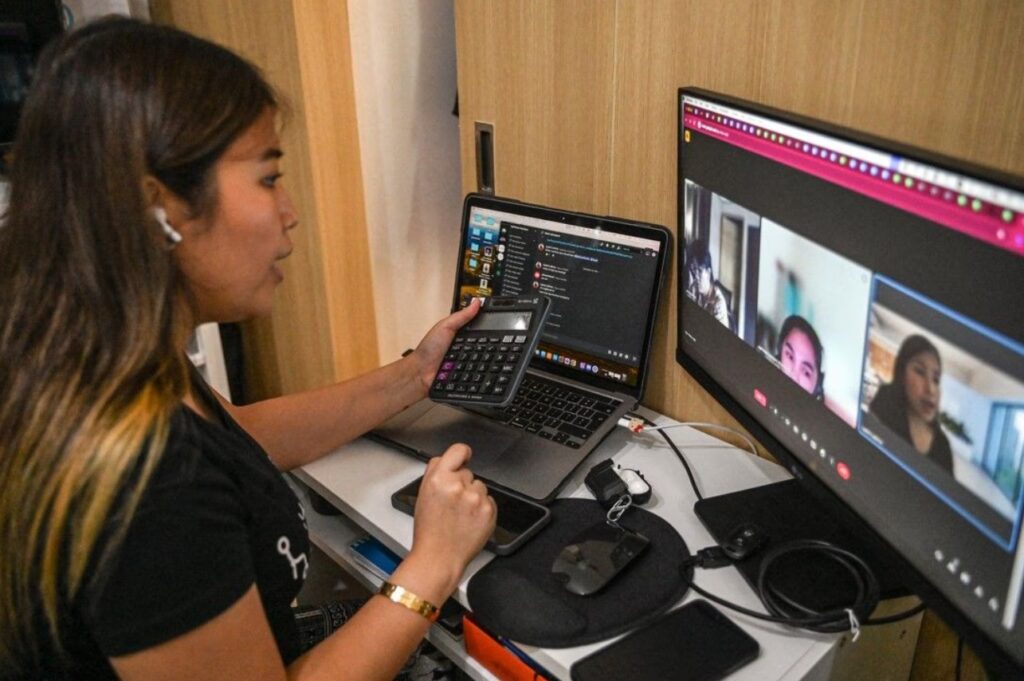
The rapid acceleration of the digital economy in the Philippines has fundamentally altered the human resources landscape, bringing unprecedented connectivity and significant structural risks. As domestic firms and multinational corporations increasingly lean into remote work arrangements, the volume of sensitive employee information—from tax identification numbers and bank details to private health records—traversing digital networks has reached a critical mass. In this high-stakes environment, the threat of cyber-attacks and data mismanagement looms large, making the role of an Employer of Record (EOR) not merely a convenience for administrative efficiency, but a frontline defense against catastrophic security vulnerabilities. By leveraging specialized Employer of Record services, organizations can navigate the labyrinthine requirements of the Data Privacy Act of 2012 while ensuring that their remote Employer of Record strategy prioritizes the sanctity of personal information. As we delve into the mechanics of data protection, it becomes clear that the complexities of modern HR demand a partner like Out Task, a trusted Employer of Record provider that insulates businesses from the evolving dangers of the digital age.
Understanding the Employer of Record Meaning and its Security Implications
To comprehend the necessity of a global Employer of Record, one must first understand what an Employer of Record is and how it functions as a legal shield. An Employer of Record, meaning, goes beyond simple payroll processing; it describes an entity that legally employs workers on behalf of another company, assuming all formal employment responsibilities. This relationship is pivotal for EOR data security because it centralizes the point of contact for sensitive information.
- Centralized Data Governance: By using an international Employer of Record, a company ensures that all employee data is housed within a single, high-security framework rather than scattered across various internal departments that may lack specialized IT oversight.
- Legal Liability Transfer: One of the primary Employer of Record benefits is the shifting of compliance risks. When you partner with an Employer of Record company, they become the party responsible for meeting statutory data protection standards.
- Specialized Infrastructure: An EOR provider invests in enterprise-grade security technologies—such as end-to-end encryption and multi-factor authentication—that a standard small-to-medium enterprise might find cost-prohibitive.
- Standardized Security Audits: A reputable Employer of Record provider conducts regular penetration testing and vulnerability assessments to ensure that its EOR payroll systems are impenetrable to external threats.
- Restricted Data Access: EORs implement strict “least privilege” access protocols, ensuring that only essential personnel can view sensitive employee records and preventing HR data breaches.
This structured approach to Employer of Record data protection ensures that as a business grows, its security posture scales accordingly. Without the professional oversight of an EOR, a company is often left to its own devices, struggling to maintain the rigorous standards required to protect employee data in an era where a single breach can result in millions of pesos in fines and irreparable brand damage.
The Burdensome Requirements for Maintaining Robust Data Integrity
The requirements for protecting sensitive employee data in the Philippines are exhaustive and technically demanding. For a business to handle this internally, it must comply with a dizzying array of legal and technical mandates that require constant attention and significant capital investment. The Philippine National Privacy Commission (NPC) sets a high bar for employee data privacy, and failing to meet these EOR compliance standards is not an option.
- Mandatory Registration and Documentation: Companies must register their data processing systems with the NPC and appoint a dedicated Data Privacy Officer (DPO). This individual must be highly trained in both law and IT, representing a significant Employer of Record cost if hired internally.
- Rigorous Data Mapping: Organizations must document the entire lifecycle of every piece of data, from collection and processing to storage and destruction. This requires a level of administrative granularity that most HR departments are not equipped to handle.
- Implementation of Technical Safeguards: The law mandates the use of advanced encryption for data at rest and in transit. Setting up these protocols across a remote workforce requires sophisticated VPNs and secure cloud environments.
- Privacy Impact Assessments (PIAs): Before implementing any new process, a PIA must be conducted to evaluate potential risks to employee privacy. This is a time-consuming analytical task that requires expertise in HR data security.
- Physical Security Protocols: Even in a digital world, physical access to servers or printed records must be strictly controlled, necessitating biometric access and 24/7 surveillance at data centers.
Meeting these requirements is a Herculean task for any single business owner. The sheer volume of documentation and the technical expertise required to prevent HR data breaches make it nearly impossible for a non-specialist to manage. This is why the Employer of Record pricing offered by Out Task is seen as a strategic investment: it covers the cost of a whole team of experts who ensure these requirements are met without fail.
The Process of Managing Global Employer of Record Security Protocols
When examining how an Employer of Record operates in the context of security, maintaining a secure environment is a never-ending cycle of vigilance. For a person or a small team to manage this manually, it would require working around the clock, leaving no room for the business’s actual growth. The EOR services model automates and professionalizes this process, relieving the client of the burden.
- Initial Security Vetting: The process begins with a comprehensive audit of the client’s existing data handling methods. This involves identifying leaks in current communication channels and replacing them with secure EOR payroll portals.
- Continuous Real-Time Monitoring: Security isn’t a “set it and forget it” task. It requires 24/7 monitoring of network traffic to detect anomalies that could indicate a phishing attempt or a brute-force attack on employee records security.
- Automated Patch Management: Software vulnerabilities are discovered daily. An EOR provider must ensure that every piece of software used for payroll data security is updated instantly to close backdoors to hackers.
- Employee Awareness Training: A significant part of the process is training the remote staff on EOR security best practices, such as identifying suspicious emails and using secure password managers.
- Incident Response Planning: In the unlikely event of a threat, there must be a pre-defined, battle-tested plan to isolate the breach, notify the authorities, and recover data without loss.
Managing this process independently is an overwhelming endeavor. It involves juggling technical IT tasks, legal compliance updates, and human resource management simultaneously. The mental and financial tax of attempting to run an international Employer of Record-level security operation internally is often what leads to the very vulnerabilities companies seek to avoid. By delegating this to Out Task, businesses can rest assured that the process is handled by professionals who live and breathe data integrity.
Why EOR Data Security is Too Complex for Internal HR Teams
The reality of modern cybersecurity is that it has outpaced the capabilities of traditional HR departments. The sophistication of hackers, combined with the stringent requirements of Employer of Record compliance, means that securing sensitive employee data is now a full-time engineering and legal discipline. Attempting to manage Employer of Record services internally often leads to “compliance fatigue,” in which essential steps are skipped, leaving the company exposed.
- Evolving Cyber Threats: Hackers now use AI to craft highly convincing scams. A standard HR manager cannot be expected to stay ahead of global cyber-criminal trends while also managing recruitment and employee relations.
- Global Compliance Fragmentation: If you employ workers across different regions, you must comply with various international laws, such as the GDPR and the CCPA, in addition to Philippine laws. The complexity of this global Employer of Record landscape is staggering.
- The High Cost of Expertise: Hiring a full-time cybersecurity team, a data privacy lawyer, and a compliance auditor would dwarf the Employer of Record pricing of a specialized firm.
- Technological Obsolescence: The hardware and software required for payroll data security become obsolete every few years. An EOR provider like Out Task handles these upgrades as part of their service, ensuring you always have the latest protection.
- The Burden of Responsibility: The mental stress of being responsible for the private lives and financial security of hundreds of employees is a weight too heavy for most individuals to carry alone.
It is essential to recognize that the process is far too complicated to handle without expert intervention. Seeking Out Task’s help is not just a matter of convenience; it is a strategic necessity for any business that values its reputation and the safety of its staff. Out Task provides the specialized knowledge and infrastructure that makes the impossible task of total data security a reality for your organization. As a trusted provider in the Philippines, Out Task ensures that every layer of your EOR services is reinforced with the highest levels of professional scrutiny.
Employer of Record Benefits for Mitigating Financial and Legal Risks
Investing in an Employer of Record company provides a layer of protection that goes beyond digital firewalls, offering financial and legal peace of mind. The Employer of Record benefits extend to the very survival of the company, as the costs associated with data mismanagement can be terminal for many businesses. By understanding the Employer of Record cost as an insurance policy, executives can make better-informed decisions.
- Avoidance of Draconian Fines: Under the Data Privacy Act, negligence can result in fines of millions of pesos and even imprisonment for responsible officers. An EOR provider mitigates this risk by ensuring total compliance.
- Preservation of Brand Equity: A data breach is a public relations nightmare. Using a remote Employer of Record with a proven track record of security helps maintain the trust of your employees and clients alike.
- Streamlined EOR Payroll: Securely handling salaries, taxes, and benefits requires a system that is both efficient and impenetrable. EOR payroll services ensure that financial data is never compromised during transit.
- Business Continuity: In the event of a localized disaster or a system failure, an EOR provides redundant cloud backups, ensuring that employee data is never lost and operations can resume immediately.
- Access to Better Benefits: Because an EOR manages a large pool of employees, they can often secure better data-protected health and insurance plans for your staff, further enhancing employee data privacy.
Ultimately, the goal of using an Employer of Record provider is to create a safe harbor for your business in a volatile digital world. The peace of mind that comes from knowing your sensitive employee data protection is being handled by a dedicated team allows leadership to focus on innovation and market expansion. In the Philippines, where the digital economy is booming, the security provided by an EOR is the foundation for sustainable growth.
Final Thoughts
The decision to partner with an Employer of Record is a definitive step toward professionalizing your company’s security posture. In an era where data is more valuable than oil, protecting sensitive employee data must be a top priority for any responsible business leader. As we have explored, the requirements are too vast, the process is too taxing, and the risks are too high for any organization to navigate alone. By leveraging Out Task’s comprehensive Employer of Record services, companies can bridge the gap between their operational goals and the rigorous demands of data privacy. Out Task stands as a beacon of reliability in the Philippine market, offering the expertise and infrastructure needed to turn security vulnerabilities into strengths. Protecting your workforce is not just about software; it is about choosing the right partner to stand guard over your most valuable assets.
Is Assistance Available?
Yes, Out Task can help you navigate the complex landscape of employee data security and Employer of Record services. Our team of experts is ready to provide the professional support necessary to ensure your business remains compliant and secure in the Philippines. Reach out today to schedule an initial consultation with one of our experts.
- Contact Us Here
- Fill Out the Form Below
- Send an email to: info@outtask.ph