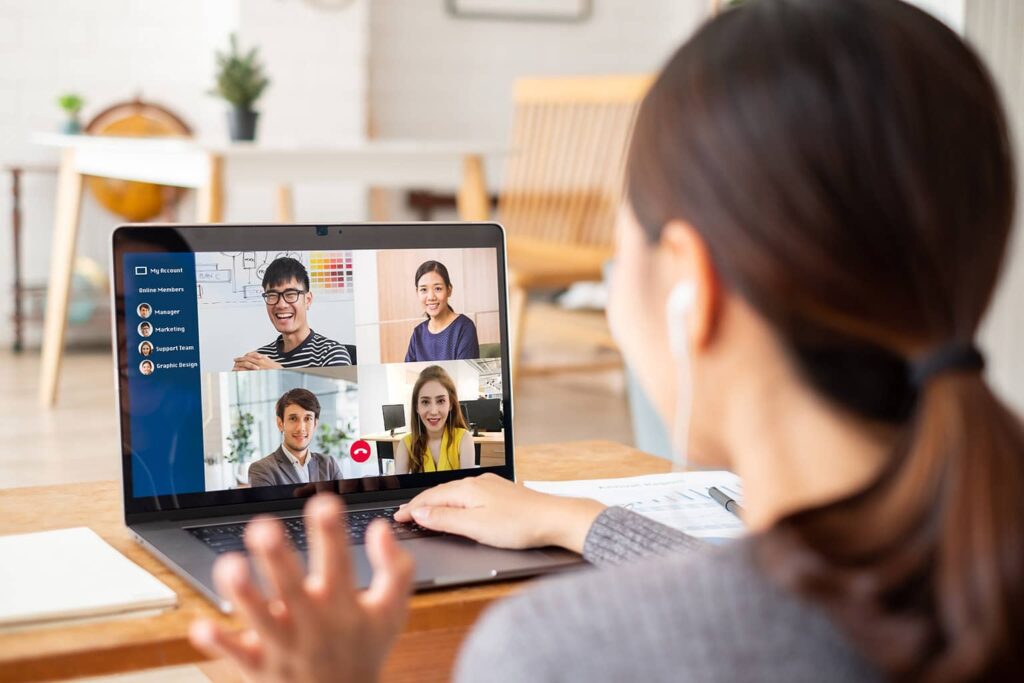
The global shift toward decentralized operations has positioned the Philippines as a premier destination for talent. Yet, the administrative labyrinth of local labor laws presents a formidable barrier to entry for foreign enterprises. As organizations seek to leverage the high English proficiency and technical acumen of the Filipino workforce, the integration of PEO (Professional Employer Organization) services has shifted from a convenience to a strategic necessity. Navigating the archipelago’s regulatory environment requires more than just an understanding of recruitment; it demands a sophisticated grasp of the co-employment model in the Philippines where legal responsibilities are shared between the client and the service provider. For a foreign company, attempting to hire employees in the Philippines without entity setup is a task fraught with legal risks, ranging from permanent establishment issues to severe penalties for non-compliance with the Department of Labor and Employment (DOLE).
By utilizing a Professional Employer Organization in the Philippines, businesses can effectively outsource employment to the Philippines, shifting the heavy lifting of administrative HR, tax withholding, and adherence to local labor laws to experts. This guide serves as a comprehensive roadmap for navigating the recruitment process in the Philippines, highlighting how PEO services streamline what would otherwise be an insurmountable mountain of paperwork and legal hurdles. From understanding how long recruitment takes in the Philippines to mastering the nuances of salary negotiation in the Philippines hiring, the following sections detail the rigorous demands of the local market. As we analyze the requirements and processes involved, it becomes clear that managing a remote workforce in this jurisdiction is not a solitary endeavor but one that requires the localized expertise of a seasoned PEO provider in the Philippines to ensure long-term operational success and compliance.
The Onboarding Requirements for Remote Workers in the Philippines
The onboarding requirements in the Philippines (SSS, PhilHealth, Pag-IBIG, BIR) are notoriously dense, involving a multi-agency registration process that can overwhelm even the most experienced HR professionals. When you decide to employ staff in the Philippines without a local entity, you must ensure that every single statutory obligation is met from day one to avoid litigation or government audits. The complexity begins with the collection and verification of employee data, which must comply with the Data Privacy Act of 2012. The following list outlines the mandatory documentation and registration requirements that must be managed with surgical precision:
- Tax Identification Number (TIN): Verification and registration with the Bureau of Internal Revenue (BIR) to ensure proper withholding of income tax under the TRAIN Law.
- Social Security System (SSS): Mandatory enrollment for private-sector employees to provide disability, retirement, and death benefits.
- PhilHealth (Philippine Health Insurance Corporation): Required registration to ensure the employee has access to the national health insurance program.
- Pag-IBIG Fund (Home Development Mutual Fund): Compulsory contributions toward a national savings program and affordable housing financing.
- Pre-employment Medical Examination: A standard local requirement to ensure the employee is fit for work, often varying by industry.
- Clearances: Obtaining NBI (National Bureau of Investigation) or police clearances to verify the background of the remote worker.
- Employment Contracts Philippines: Drafting localized contracts that adhere to the Labor Code, specifying the probationary period (not exceeding six months) and the 13th-month pay requirement.
Fulfilling these requirements requires constant coordination with government offices that may still rely on physical filings or outdated digital portals. For a single HR manager located overseas, the sheer volume of onboarding checklist items—each with different deadlines and submission formats—is staggering. Missing a single SSS or PhilHealth filing can result in compounding interest and legal liabilities that jeopardize your remote workforce management in the Philippines.
The Multi-Layered Onboarding Process for PEO Services
The remote onboarding process in the Philippines is a structured, time-sensitive sequence that requires Professional Employer Organization services to execute correctly. Unlike Western markets, where digital signatures and self-service portals might suffice, the Philippines needs a more high-touch administrative approach to ensure HR compliance. The process is not merely about sending an offer letter; it is about integrating the worker into a legal framework that protects both the employer and the employee. A typical remote employee onboarding in the Philippines follows these exhaustive steps:
- Drafting and Execution of the Offer: Navigating salary negotiation in the Philippines hiring while factoring in the mandatory 13th-month pay and local allowances (like de minimis benefits).
- Compliance Verification: Using a PEO company in the Philippines to perform rigorous background checks and verify the authenticity of government-issued IDs and diplomas.
- Registration with Statutory Agencies: The physical or digital submission of Member Data Records to SSS, PhilHealth, and Pag-IBIG, ensuring the worker is tagged under the correct employer ID.
- Payroll Integration: Setting up the payroll services Philippines system to calculate precise deductions for taxes and benefits based on the latest government tables.
- Equipment and Logistics: Coordinating the delivery of hardware to remote locations, often involving complex customs or local courier logistics.
- Policy Orientation: Educating the remote worker on local labor rights, the specific PEO Philippines co-employment structure, and the client company’s internal KPIs.
- IT and Security Setup: Implementing remote workforce management Philippines protocols, including VPN access and data security measures compliant with local laws.
This process is a marathon of administrative tasks. How recruitment works in the Philippines often involves a 30-day notice period for previous employers, adding another layer of timing complexity to the remote onboarding timeline in the Philippines. Without the intervention of a PEO solutions Philippines specialist, a company can find itself stuck in a bureaucratic delay loop, potentially losing top talent to competitors who can onboard more efficiently.
Managing HR Compliance and Statutory Benefits in the Philippines
Labor law compliance in the Philippines is a continuous obligation that extends far beyond the initial hiring phase. The Philippine government is highly protective of its workers, and the legal system generally favors employees in disputes, making HR and payroll services in the Philippines a critical component of risk mitigation. A global PEO Philippines provider must manage not only the statutory benefits but also the intricate rules surrounding overtime, holiday pay (which varies between Regular and Special Non-Working holidays), and the Night Shift Differential for remote workers serving Western time zones. Managing these nuances involves:
- Payroll and Tax Compliance Philippines: Accurate calculation of monthly contributions and annual tax alphalist filings with the BIR.
- Leave Administration: Tracking the mandatory five days of Service Incentive Leave (SIL), though most competitive employers offer significantly more.
- Termination and Due Process: The Philippines follows strict Just Cause and Authorized Cause rules for termination; failure to comply with the twin-notice rule can lead to costly illegal dismissal cases.
- Benefits Administration Philippines: Managing health insurance (HMO) extensions, which are a standard expectation for remote talent in the Philippines.
- 13th-Month Pay Management: Ensuring this mandatory benefit is paid on or before December 24th of each year, as required by Presidential Decree No. 851.
- Occupational Safety and Health (OSH): Adapting OSH standards for a home-office environment to ensure recruitment compliance.
For an international business, staying up to date on the frequent circulars issued by the DOLE or the BIR is nearly impossible. The shift in tax brackets or contribution ceilings occurs frequently, and non-compliance can result in a Professional Employer Organization in the Philippines being blocklisted or fined. Outsourced HR services in the Philippines provide the necessary buffer, ensuring that your business remains on the right side of the law while you focus on core operations.
The Hidden Burdens of Remote Workforce Management: Why Expert Intervention is Essential
Managing remote workers across the globe sounds simple in theory. However, in practice, the Philippines presents unique challenges that can quickly turn into a full-time administrative nightmare. From the intricacies of PEO payroll and compliance to the constant monitoring of local labor updates, the workload is far too heavy for a single person—or even a small international HR team—to handle effectively. You are not just managing an employee; you are managing a complex relationship with the Philippine government, the local tax authorities, and a unique cultural landscape. The administrative burden of tracking attendance for payroll, verifying the legitimacy of medical certificates, and ensuring that every monthly contribution is filed on time across four different government agencies is a recipe for burnout and error.
Furthermore, the legal landscape is constantly shifting. Between new mandates for expanded maternity leave and changing regulations on remote work arrangements, the risk of accidental non-compliance is dangerously high. This is why it is absolutely vital to seek professional intervention. Out Task stands as a trusted provider of PEO onboarding services, offering a comprehensive shield against these complexities. Trying to navigate this alone is not just tricky; it is a liability to your business’s expansion. Out Task provides the localized PEO services required to transform this chaotic process into a seamless, professional operation. By choosing a dedicated PEO provider in the Philippines like Out Task, you ensure that your hired remote employees in the Philippines strategy is built on a foundation of legal security and administrative excellence, allowing you to scale without the weight of Philippine bureaucracy holding you back.
Key Takeaways
In conclusion, successfully hiring and onboarding talent in the Philippines requires a deep commitment to regulatory adherence and a sophisticated understanding of the local employment ecosystem. The transition to using PEO services is the most effective way for international companies to tap into this vibrant market without the prohibitive costs and time required to establish a local legal entity. Throughout this guide, we have explored the rigorous requirements, from BIR tax filings to the mandatory SSS and PhilHealth contributions, and the multi-staged process that defines the remote onboarding process. We have also highlighted the severe administrative burden that comes with payroll and tax compliance and why managing this in-house is often a losing battle for foreign firms.
By partnering with a Professional Employer Organization, you are not just outsourcing tasks; you are securing a strategic partner who understands the recruitment process in the Philippines and the nuances of the co-employment model. Out Task provides the essential infrastructure needed to employ staff in the Philippines without local entities, ensuring that every employment contract is legally sound and every benefit is correctly administered. As the global economy becomes increasingly interconnected, the ability to hire employees in the Philippines without entity hurdles will define the winners in the race for international talent. Let the experts handle the complexity of the onboarding checklist so you can focus on what matters most—growing your business with the best remote talent the Philippines has to offer.
Is Assistance Available?
Yes, Out Task can provide the comprehensive PEO and PEO support required to navigate the complexities of the Philippine labor market. Our team of experts will handle every aspect of the onboarding and compliance process to ensure your remote operations are seamless and legally protected. Reach out today to schedule an initial consultation with one of our experts.
- Contact Us Here
- Fill Out the Form Below
- Send an email to: info@outtask.ph