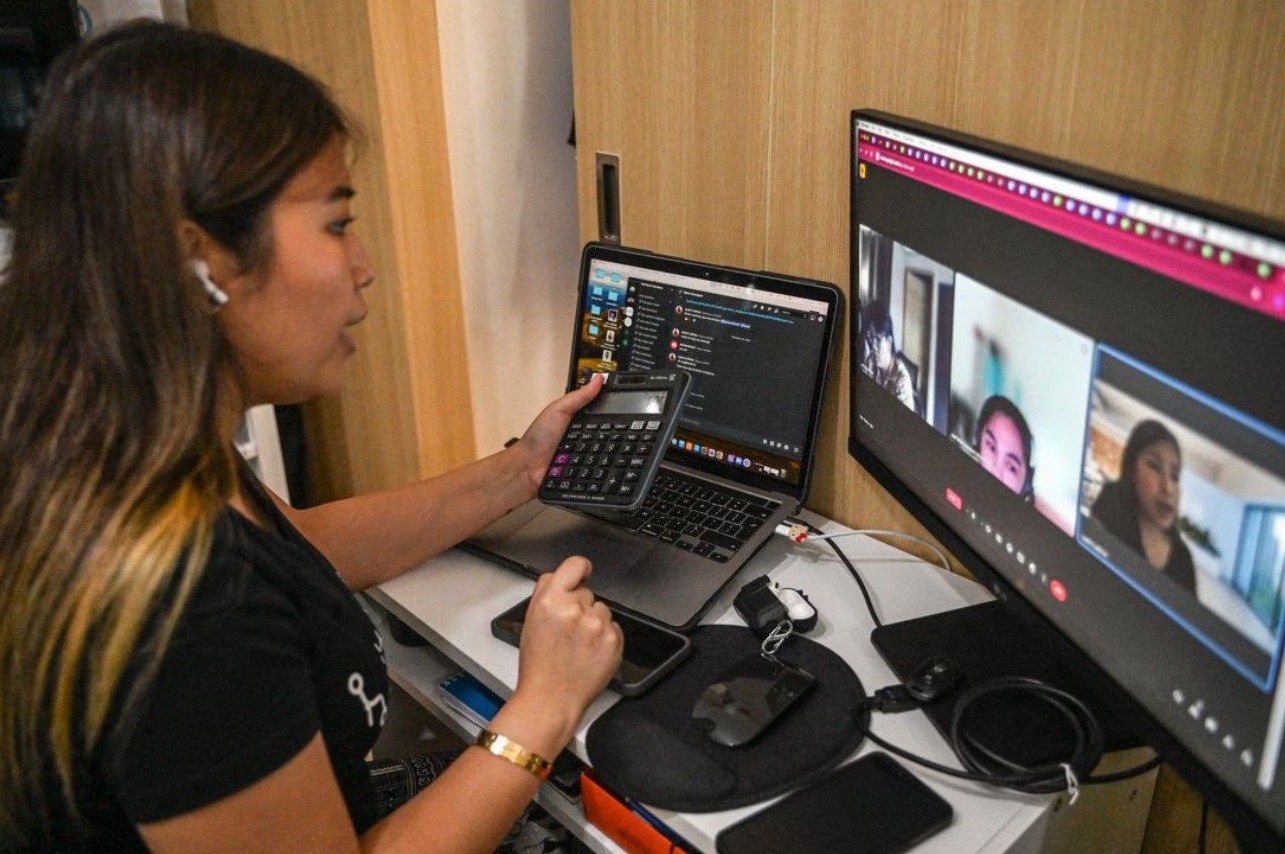
The modern enterprise is no longer tethered to geographical borders, yet the legalities of international expansion remain stubbornly local. For organizations seeking to tap into Southeast Asia’s vibrant, highly skilled talent pool, the EOR Philippines model has emerged as an indispensable strategic tool. An Employer of Record (EOR) acts as the legal employer for your workforce, managing the labyrinth of local regulations while you retain operational control over your team’s daily output. This arrangement is particularly essential in the Philippine jurisdiction, where labor laws are intensely protective of employee rights and administrative requirements are notoriously dense. By leveraging an EOR in the Philippines, companies can bypass the lengthy, capital-intensive process of incorporating a local subsidiary and instead opt for a streamlined, compliant market entry. As global competition for talent intensifies, understanding how to navigate the fiscal and legal nuances of the archipelago becomes paramount for any business seeking to maintain high standards of governance and operational efficiency.
The Complex Requirements for a Compliant EOR in the Philippines
The foundational hurdle for any foreign entity is meeting the exhaustive list of partnership and employment requirements outlined in Philippine statutes. Operating as a compliant employer is not merely a matter of signing a contract; it involves a multifaceted integration into the national social security and tax systems. The sheer volume of documentation required to satisfy the Securities and Exchange Commission (SEC), the Bureau of Internal Revenue (BIR), and the Department of Labor and Employment (DOLE) is enough to overwhelm even seasoned human resource departments.
The following list outlines the mandatory requirements that must be managed to ensure a compliant presence:
- Securing a Valid Legal Personality: An EOR Philippines must maintain active registration with the SEC and local government units to legally hire and pay employees on behalf of foreign clients.
- Mandatory Social Benefit Registrations: Every employee must be correctly enrolled in the “Big Three” government programs: the Social Security System (SSS) for retirement and disability, PhilHealth for medical insurance, and the Pag-IBIG Fund for housing and savings.
- Tax Identification and Withholding: The employer is required to obtain a Tax Identification Number (TIN) for every hire and accurately compute monthly withholding taxes using the latest 2026 BIR tax tables.
- DOLE Registration (Rule 1020): All establishments must register with the Department of Labor and Employment’s Regional Office to be recognized as a legitimate workplace under the Occupational Safety and Health Standards.
- Customized Employment Contracts: Contracts must be tailored to include mandatory provisions for probationary periods, night-shift differentials, and the “13th-month pay,” a statutory requirement unique to the Philippines.
- Bank Account Coordination: To facilitate smooth payroll processing in the Philippines, the employer must maintain local banking relationships capable of handling high-volume remittances and government contributions.
Understanding the High-Stakes Process of Remote Onboarding and Management
Hiring in the Philippines without a local entity is a logistical marathon. From the moment a job offer is accepted, a ticking clock starts for submitting various compliance forms. In the Philippines, the Supreme Court has ruled that an employment relationship can be perfected the moment an offer is accepted, meaning the employer’s legal obligations begin even before the employee’s first day of work. This requires immediate, flawless execution of the onboarding sequence to avoid early-stage legal disputes.
The following points detail the exhausting steps involved in the EOR onboarding and management process:
- Initial Compliance Screening: Before a contract is even drafted, a thorough background check and verification of previous government contributions must be conducted to ensure the hire’s records are in order.
- Drafting and Execution of Localized Contracts: Each contract must be reviewed to ensure it does not violate any “just cause” or “authorized cause” termination rules, which are strictly interpreted by the National Labor Relations Commission (NLRC).
- Government Agency Notification: Upon hiring, the employer must update the employee’s status with SSS, PhilHealth, and Pag-IBIG within a narrow window—often just days—to avoid administrative penalties.
- Timekeeping and Attendance Monitoring: The employer is responsible for implementing a timekeeping system that accurately records overtime, holiday pay, and night differentials, as DOLE frequently audits these.
- 13th-Month Pay Accruals: Managing the mandatory year-end bonus requires meticulous monthly accounting to ensure the total payment (1/12 of the basic salary earned during the year) is disbursed before the December 24 deadline.
- Final Pay and Clearance: The offboarding process is equally taxing, requiring the calculation of pro-rated benefits, leave encashments, and the issuance of a Certificate of Employment within 30 days of the employee’s departure.
Eliminating the Misclassification Risk in the Philippines for Global Teams
One of the most dangerous pitfalls for international companies is misclassifying workers. Treating a full-time Filipino worker as an “independent contractor” when they are, in fact, an employee is a leading cause of litigation in the Philippines. The “Control Test” is the primary legal standard used by Philippine courts: if the foreign company controls the means, methods, and timing of the work, the individual is legally an employee. Misclassification risk in the Philippines can lead to devastating financial consequences, including years of back pay for unpaid benefits and social security contributions.
An EOR provider in the Philippines serves as a protective barrier against these risks through the following measures:
- Application of the Four-Fold Test: Professional EORs evaluate the selection, payment, dismissal, and control factors for every role to ensure the worker is correctly classified from day one.
- Mitigating “Labor-Only” Contracting: Philippine law prohibits “labor-only” contracting, in which a middleman provides workers but lacks the capital or equipment to be a legitimate employer. A reputable EOR ensures it meets all “substantial capital” requirements to remain legal.
- Contractor Compliance Philippines: For genuine project-based work, the EOR ensures that independent contractor agreements are drafted to avoid any language that implies an employer-employee relationship.
- Retroactive Liability Protection: By acting as the legal employer, the EOR assumes the primary risk. If a dispute arises, the EOR is the first line of defense, shielding the foreign client from direct NLRC summons.
- Benefit Parity: EOR services ensure that workers receive all statutory benefits in the Philippines, such as service incentive leave and parental leave, which are often missed in informal contractor arrangements.
- Expert Legal Updates: As labor jurisprudence evolves, the EOR adjusts contracts and classifications to reflect the latest Supreme Court rulings, ensuring the client’s workforce remains on the right side of the law.
Masterful Payroll Processing in the Philippines and Tax Compliance
Managing payroll in the Philippines is an administrative burden that grows exponentially with every new hire. Unlike in some jurisdictions, where payroll is a simple calculation of hours multiplied by a rate, Philippine payroll involves a complex web of de minimis benefits, taxable versus non-taxable allowances, and fluctuating government contribution brackets. A minor error in the BIR withholding tax in the Philippines can trigger an audit that lasts for years and results in heavy surcharges.
The following list illustrates the density of tasks involved in every single payroll cycle:
- Monthly Statutory Remittances: The employer must calculate and remit the correct employer and employee shares to SSS, PhilHealth, and Pag-IBIG by specific monthly deadlines that vary by company ID number.
- Withholding Tax Calculations: Every pay period, the employer must apply the progressive tax rates in the 2026 BIR table, ensuring that non-taxable items such as rice subsidies and uniform allowances are correctly excluded.
- BIR Form 1601-C Submissions: This monthly remittance return of income taxes withheld on compensation must be filed electronically via eFPS or eBIRForms, requiring a dedicated digital compliance officer.
- Annual Alphalist Filing: At the end of the fiscal year, the employer must submit a comprehensive list of all employees and their total compensation, taxes withheld, and adjustments.
- Issuance of Form 2316: Every employee must receive their Certificate of Compensation Payment/Tax Withheld annually, a document they need for their own personal tax compliance and loan applications.
- Handling Variable Pay: Calculating night shift differentials (an additional 10%), overtime pay (25% to 30% extra), and holiday pay (which can double the daily rate) requires a sophisticated and error-free payroll engine.
Importance of Professional Assistance in a High-Regulation Environment
For a single individual or a small HR team located thousands of miles away, managing the aforementioned requirements is virtually impossible without making significant errors. The Philippine regulatory environment is characterized by frequent changes in minimum wage across its 17 regions, updated contribution tables from the SSS, and new mandatory workplace policies from DOLE, such as drug-free and mental health programs. Attempting to handle these tasks internally often leads to administrative paralysis and legal exposure that far exceeds the cost of EOR Philippines.
Because the process is so complicated and the legal stakes are so high, it is essential to seek the help of experts like Out Task. As a trusted provider of this service, Out Task acts as your local legal vanguard, absorbing the administrative shock of Philippine bureaucracy. By entrusting your EOR needs to professionals, you ensure that your business avoids the reputational damage and financial drain of labor disputes and tax penalties.
The value of seeking professional help from Out Task includes:
- Regional Expertise: Wage orders differ in Metro Manila compared to CALABARZON or Cebu; Out Task ensures you pay the correct regional minimums.
- Audit Readiness: When DOLE or the BIR conducts a spot audit, Out Task provides the necessary documentation and legal representation to prove full compliance.
- Scalability: Whether you are hiring your first developer or your 100th customer support agent, Out Task’s professional infrastructure lets you scale without adding administrative headcount.
- Time-to-Hire Efficiency: Instead of waiting six months to register a local entity, you can have a team legally onboarded through Out Task in as little as 48 hours.
- Cultural Liaison: Beyond the law, Out Task helps bridge the gap between international corporate culture and local Filipino expectations, improving employee retention.
- Risk Transfer: By utilizing a professional EOR, you effectively transfer the legal burden of employment to a local entity that is fully equipped to handle it.
Final Insights
Deciding to employ in the Philippines without an entity is a strategic move that enables rapid market entry and access to world-class talent. However, the success of this strategy rests entirely on the quality of your EOR partner. A “cheap” EOR that fails to remit taxes or miscalculates benefits will eventually cost your company far more in legal fees and lost trust. The goal of an EOR in the Philippines is to provide peace of mind, ensuring that while your team is focused on hitting their KPIs, the underlying legal and financial machinery is operating with clockwork precision.
In conclusion, the Philippines remains one of the most attractive destinations for global hiring, but its rewards come with a high price of entry in terms of compliance. By understanding the differences between independent contractors and employees in the Philippines and committing to a fully compliant payroll and tax strategy, your organization can build a sustainable and loyal workforce. The complexities of SSS PhilHealth Pag-IBIG contributions, BIR withholding, and DOLE audits should not be a deterrent to growth, but rather a reminder that, in the Philippine market, professional oversight is the only path to a successful, risk-free operation.
Is Assistance Available?
Yes, Out Task can help you navigate the intricate legal and administrative hurdles of establishing your business structure. Our team of experts ensures your registration is handled with professional care, protecting your interests and guaranteeing full compliance with Philippine law. Reach out today to schedule an initial consultation with one of our experts.
- Contact Us Here
- Fill Out the Form Below
- Send an email to: info@outtask.ph