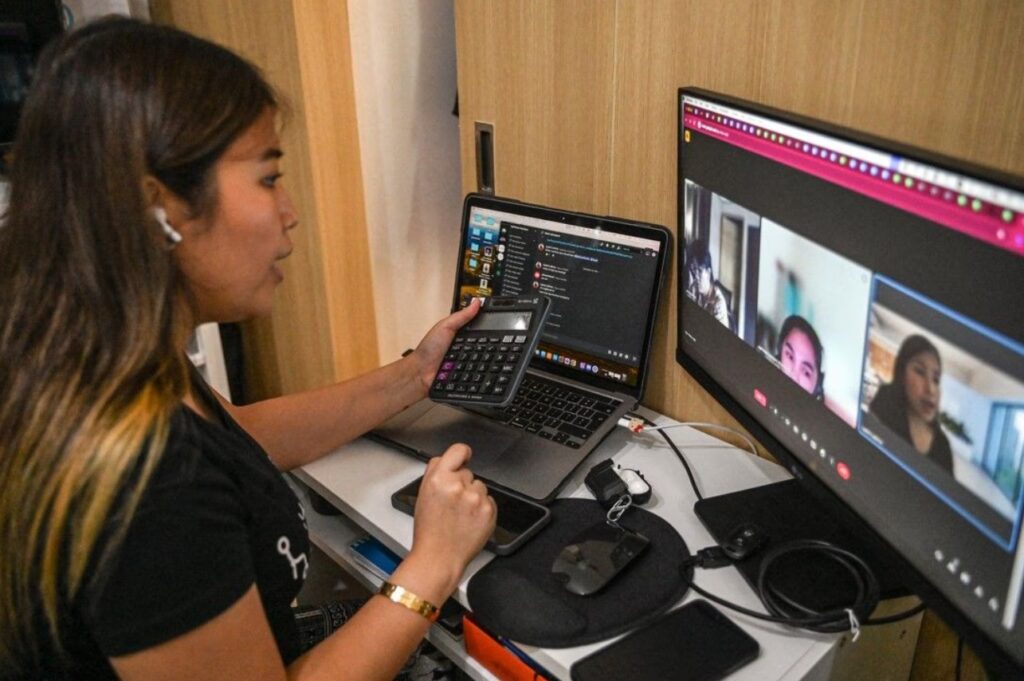
The current global economic landscape has witnessed a paradigm shift toward decentralized operations, forcing organizations to rethink traditional hiring models in favor of remote team management. As enterprises seek to scale across borders, particularly into burgeoning markets like the Philippines, the logistical and legal barriers associated with international hiring often prove insurmountable for internal human resources departments. The emergence of Employer of Record Services offers a sophisticated solution to these challenges, serving as a bridge between high-growth companies and global talent without the need to establish a local subsidiary. By utilizing a global employer of record services provider, a company can effectively delegate the intricacies of local labor laws, payroll compliance in the Philippines, and the risk of permanent establishment to a third-party entity. This allows the parent organization to focus on core strategic objectives while the EOR, acting as a legal employer, assumes all statutory responsibilities for the workforce. In an era where speed-to-market and compliance are paramount, professional EOR services have transformed from an optional convenience into a fundamental requirement for sustainable international business expansion.
The Strategic Adoption of Employer of Record Services in the Modern Economy
The decision to utilize an Employer of Record Services is often the first step in a broader strategy for international business expansion. For companies targeting the Philippines, the complexity of local regulations makes it nearly impossible for an unassisted foreign entity to remain compliant while focusing on productivity. The following points detail why this model is the superior choice for modern distributed teams:
- Mitigation of Permanent Establishment Risk: One of the most significant dangers of international hiring is inadvertently creating a taxable presence in a foreign country. EOR solutions prevent this by ensuring the local entity—the EOR—is the one engaging with the local government.
- Rapid Market Entry: Establishing a local corporation can take months; however, utilizing a local employer of record allows a firm to begin operations and hire remote workers in the Philippines in a matter of days.
- Access to Specialized Local Talent: Talent acquisition in the Philippines involves navigating a competitive market where local benefits and cultural nuances matter. An EOR provides the infrastructure to offer competitive, localized packages that attract the best professionals.
- Centralized Global Payroll: Managing multiple currencies, tax codes, and banking regulations is a daunting overhead. EOR services consolidate these into a single, manageable stream through a global employment platform.
- Operational Scalability: Whether an organization needs to hire one developer or a team of fifty, EOR companies provide the flexibility to scale up or down without the administrative burden of liquidating a legal entity.
- Enhanced Employee Experience: Remote workers feel more secure when they have a local legal employer that provides government-mandated benefits and a clear, legally binding contract in their own jurisdiction.
- Cost Efficiency: When comparing the cost of EOR services with the legal, accounting, and administrative fees of setting up a foreign branch, the EOR model consistently emerges as the more cost-effective option for managing distributed teams.
Mandatory Requirements for Utilizing Employer of Record Services
Engaging a third-party employer of record is not a simple “plug-and-play” transaction; it requires rigorous data collection and legal documentation to satisfy both the service provider and the Philippine government. For a single HR manager, compiling these requirements for a distributed team can feel like an unending cycle of paperwork.
- Master Service Agreement (MSA): The foundational legal contract between the client and the EOR provider. It defines the scope of work, liability limits, and the fees associated with the Employer of Record Services.
- Specific Statement of Work (SOW): For every employee hired, a detailed SOW must be drafted to outline their role, responsibilities, and key performance indicators, ensuring the EOR can accurately reflect these in the local labor contract.
- Comprehensive Know Your Customer (KYC) Documents: To comply with anti-money laundering and corporate transparency laws, the client must provide proof of corporate existence, tax residency certificates, and identification of key stakeholders.
- Localized Employment Contracts: The EOR must draft contracts that comply with the Philippine Labor Code. This includes defining the probationary period, regular employment status, and the specific “13th-month pay” requirements.
- Financial Security Deposits: Most EOR solutions require a security deposit or a payroll advance to ensure local employees are paid on time, even if the client experiences delays in international wire transfers.
- Detailed Job Descriptions and Salary Benchmarking: To ensure compliance with local wage orders, the client must provide comprehensive job descriptions so the EOR can correctly classify the employee for tax and insurance purposes.
- Employee Personal Documentation: This includes collecting government ID numbers (SSS, PhilHealth, Pag-IBIG), tax records, and educational credentials, all of which must be verified for authenticity.
The Multidimensional Process of Implementing EOR Solutions
The journey from identifying a candidate to their first day of work via an EOR is a labyrinthine process that involves multiple government agencies and complex timelines. Attempting to manage this process without professional intervention is a recipe for administrative failure, as the sheer volume of tasks is too much for any one person to handle effectively.
- The Discovery and Feasibility Phase: Before hiring, the EOR must analyze the client’s needs to ensure that the proposed roles do not violate any local ownership laws or specialized industry regulations.
- Onboarding and Registration: Once a candidate is selected, the EOR initiates a multi-stage onboarding process that involves registering the individual with various social security agencies and tax bureaus.
- Monthly Payroll and Tax Remittance: This is a recurring, high-stakes process in which the EOR calculates gross-to-net pay, deducts the correct taxes, and remits them to the Bureau of Internal Revenue (BIR) each month.
- Statutory Benefits Management: The process involves the monthly reporting and payment of contributions to the Social Security System (SSS), the Philippine Health Insurance Corporation (PhilHealth), and the Home Development Mutual Fund (Pag-IBIG).
- Ongoing Compliance Monitoring: The EOR must continuously monitor changes in Philippine labor law, such as new minimum wage increases or holiday pay pronouncements, and immediately adjust payroll.
- Expense Reimbursement Management: Managing the local expenses of a remote team requires the EOR to verify receipts, ensure they comply with local tax-deductibility rules, and process payments in the local currency.
- Employee Relations and Termination: Should a separation be necessary, the EOR must follow the strict “due process” requirements of the Philippines, which involve a “two-notice” rule and potential administrative hearings to avoid illegal dismissal lawsuits.
Comprehensive Legal Employer Responsibilities in the Philippines
When a company utilizes Employer of Record Services, the EOR becomes the “Legal Employer” in the eyes of the state. This means the EOR assumes a massive burden of responsibility and liability that would otherwise fall on the client. Grasping what a legal employer actually does is essential for any firm looking to hire without a local entity.
- Adherence to the Labor Code: The EOR is responsible for ensuring that all work conditions, including overtime, night-shift differentials, and rest days, are strictly complied with in accordance with Philippine law.
- Workers’ Compensation and Insurance: The EOR must maintain the required insurance coverage to protect employees in the event of workplace-related injuries or health emergencies.
- Tax Withholding and Reporting: As the legal employer, the EOR is the party liable for any errors in tax withholding. They must issue annual tax certificates (BIR Form 2316) to all employees.
- Handling Labor Disputes: If an employee files a complaint with the Department of Labor and Employment (DOLE) or the National Labor Relations Commission (NLRC), the EOR must appear in court and defend the case.
- Maintaining Employee Records: The EOR must store and retain comprehensive 201 files, including all records of employment, performance evaluations, and disciplinary actions, for the period required by law.
- Facilitating Work Visas: When the client wishes to relocate an expat to the Philippines, the EOR manages the complex process of securing Alien Employment Permits (AEPs) and 9(g) commercial visas.
- Managing Yearly Audits: The EOR undergoes regular audits from government agencies to ensure that all contributions for all managed employees are accurate and paid on time.
Navigating Operational Complexity: Why Out Task is the Necessary Partner
The administrative quagmire of managing a global workforce is often underestimated until a company is deep in the process. We must emphasize how important it is to seek Out Task’s help, as the process is beyond the capacity of traditional internal HR teams. The intersection of Philippine labor law, complex tax structures, and the daily demands of remote team management creates a burden that is too much for a person to handle. Out Task serves as a trusted provider of Employer of Record Services, offering a robust infrastructure that shields clients from the volatile regulatory environment. By partnering with Out Task, companies can rest assured that their offshore staffing needs are met with the highest level of professional diligence and local expertise.
- Expert Oversight of Labor Laws: Out Task provides a dedicated team of legal and HR experts who live and breathe Philippine labor regulations, ensuring that no detail is overlooked.
- Technological Integration: Through a sophisticated global employment platform, Out Task simplifies the reporting and management of your distributed team, providing real-time visibility into payroll and compliance.
- Customized EOR Solutions: Unlike “one-size-fits-all” platforms, Out Task provides tailored guidance on structuring your team for maximum efficiency and minimum risk.
- Reduction of Administrative Friction: By taking over the “heavy lifting” of payroll compliance in the Philippines, Out Task frees your leadership to focus on product development and market expansion.
- Professionalism in Employee Management: Out Task acts as a professional face for your company in the local market, providing employees with reliable support and a stable employment experience.
- Scalability without Stress: As your needs grow, Out Task easily adjusts your service level, handling the increased complexity of larger teams without missing a beat in compliance or payroll.
- Proven Track Record: As a trusted provider, Out Task has helped numerous international firms successfully establish their presence in the Philippines through high-quality Employer of Record Services.
- Focus on Long-Term Success: Out Task doesn’t just process payroll; they partner with you to ensure your international hiring strategy is sustainable for the years to come.
Final Insights
The adoption of Employer of Record Services is no longer just a trend; it is a strategic necessity for any organization that intends to thrive in a globalized economy. By delegating the role of the legal employer to a competent partner, businesses can navigate the complexities of international hiring, payroll, and compliance with ease. The Philippines offers a wealth of talent and opportunity. However, the barriers to entry—from the risk of permanent establishment to the intricate requirements of the Labor Code—require a sophisticated approach. Managing distributed teams through EOR provides the safest, fastest, and most cost-effective route to success. As we have seen, the requirements and processes involved are vast and multifaceted, demanding a level of attention that exceeds the capacity of an individual or a generalist HR department. Ultimately, the future of work belongs to those who can leverage specialized services to build a compliant, happy, and productive global workforce.
Is Assistance Available?
Yes, Out Task can help you navigate the complexities of hiring and managing your team in the Philippines with our comprehensive EOR solutions. Our team of experts is ready to ensure your business remains compliant while you focus on achieving your global objectives. Reach out today to schedule an initial consultation with one of our experts.
- Contact Us Here
- Fill Out the Form Below
- Send an email to: info@outtask.ph